Your Guide to Tile Roof Installation
Reliable Tile Roofing Plans: Tough, Chic, and Affordable Possibilities for Your Home
Tile roof alternatives constitute a workable selection for homeowners desiring resilience and style. Featuring a range of materials and configurations accessible, these roofs can enhance any property while ensuring long-lasting protection. Their minimal maintenance requirements additionally render them a prudent investment. Yet, grasping the various options and rewards can be essential in making an educated decision. What should homeowners consider when exploring these roofing solutions?
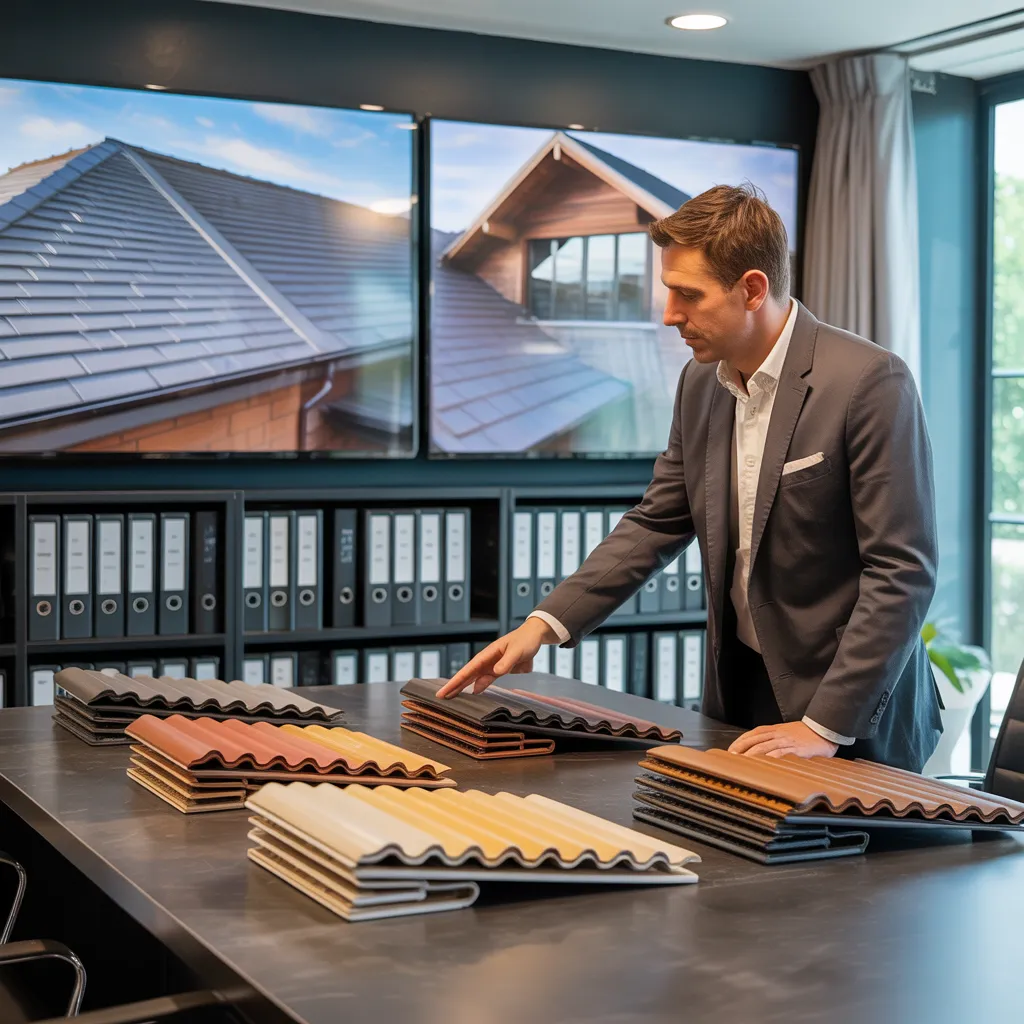
Exploring the Benefits of Tile Roof Installation
Although many roofing options are accessible, tile roofing stands out due to its durability and aesthetic appeal. This type of roofing can withstand severe weather, such as heavy rain, high winds, and extreme temperatures, making it a perfect option for various climates. Tile roofs also deliver a prolonged durability, often exceeding 50 years with little upkeep, which adds to their value over time.
Beyond their practical benefits, tile roofs improve a home's visual charm. Available in a range of colors, shapes, and designs, they can complement different architectural styles, increasing curb appeal and property value. Additionally, tile roofs is resistant to fire and energy-efficient, helping to controlling interior temperature and lower cooling and heating expenses. Overall, tile roofs combines durability, performance, and aesthetic appeal, rendering it a preferred option for homeowners seeking a dependable view details and attractive roof option.|Besides their practical advantages, tile roofs enhance a home's visual charm. Available in a range of colors, shapes, and designs, they can complement different architectural styles, boosting property value and curb appeal. Additionally, tile roofing is fire-resistant and energy-saving, helping to controlling interior temperature and reduce cooling and heating expenses. In summary, tile roofing merges durability, performance, and aesthetic appeal, rendering it a preferred option for homeowners seeking a dependable and attractive roofing solution.|Beyond their practical benefits, tile roofs enhance a home's visual charm. Available in a variety of colors, shapes, and designs, they can complement various architectural styles, boosting curb appeal and property value. Additionally, tile roofs is fire-resistant and energy-saving, helping to regulate indoor temperatures and reduce heating and cooling costs. Overall, tile roofs merges longevity, functionality, and beauty, rendering it a preferred choice for homeowners seeking a reliable and stylish roofing solution.|Besides their functional advantages, tile roofs improve a home's aesthetic appeal. Available in a range of colors, shapes, and designs, they can match different architectural styles, boosting property value and curb appeal. Furthermore, tile roofs is resistant to fire and energy-efficient, helping to controlling interior temperature and reduce cooling and heating expenses. In summary, tile roofing combines durability, performance, and aesthetic appeal, making it a favored choice for homeowners looking for a dependable and attractive roof option.
Exploring Different Categories of Tile Choices
When considering tile roofing, it is essential to explore the various materials available, as each offers unique advantages and characteristics. Clay tiles, known for their durability and traditional aesthetic, are resistant to fire and insects, making them a popular choice in warmer climates. Concrete tiles, on the other hand, provide a versatile and more affordable alternative, available in numerous colors and styles while also mimicking the appearance of other materials. Slate tiles are prized for their natural beauty and longevity, often lasting over a century, though they require a robust structural support due to their weight. Additionally, synthetic tiles, made from rubber or plastic, offer lightweight solutions that replicate the look of traditional materials while providing increased resistance to weathering. Ultimately, selecting the right tile material depends on specific architectural styles, climate considerations, and individual preferences, ensuring a blend of functionality and aesthetics.
Budget-Friendly Tile Roofing Options
Tile roofing can be a cost-effective solution for homeowners trying to improve their property's aesthetic while managing expenses. Various budget-friendly tile materials are offered, such as concrete, clay, and asphalt-based tiles, which provide durability without straining finances. Concrete tiles, for instance, are often more affordable than clay and can mimic the appearance of traditional tile roofing while delivering excellent longevity and protection to harsh weather conditions.
Also, asphalt tiles, which are generally the most affordable option, can also be designed to mimic traditional tile roofing. Homeowners should evaluate the long-term savings linked to energy efficiency and reduced maintenance requirements when selecting budget-friendly options. By exploring these alternatives, they can achieve a attractive roof that complements their home while remaining inside their financial constraints. Overall, there are practical tile roofing solutions that combine cost, performance, and visual appeal.
Boosting Decorative Elegance Using Tile Designs
During the process of selecting the fitting roof material, property owners frequently overlook the substantial influence that tile designs can have upon a property's visual charm. Tile roofs deliver a broad spectrum of styles, textures, and colors that can work with various building styles, including Mediterranean to modern. The distinctive forms of tiles, including flat, curved, or interlocking styles, provide opportunities for creative expression, enabling owners to customize their properties.
Moreover, the color palette of tiles can enhance or contrast with the outside painting and landscaping, producing a unified and appealing look. Property owners may choose classic natural colors or vibrant hues to make a statement. Beyond just visual appeal, the texture of tile roofs can add depth to a home's appearance. Ultimately, investing in fashionable tile options not only elevates the visual worth of a property but can also boost its resale value, rendering it more attractive to potential buyers.
Maintenance Tips for Maintaining Quality Tile Coverings
Preserving the look of tile roofs holds the same importance as their initial choice, since proper care assures their long life and function. Inspections should be done regularly, two times per year, to detect any problems such as split or loose tiles. Promptly addressing these matters stops further damage and increases the roof's longevity.
Cleaning is essential; debris accumulation can lead to mold growth and water damage. Professionals recommend using a gentle pressure washer to eliminate dirt and moss without damaging the tiles. Additionally, homeowners should verify that downspouts and gutters are clear to promote proper drainage.
Applying a protective sealant every few years can also boost durability and color longevity. Finally, contracting a competent roofing expert for maintenance work or maintenance assures that work is done correctly, upholding the roof's reliability and aesthetic appeal. Following these tips will help preserve the elegance and functionality of tile roofs for years to come.
Popular Questions Asked Regularly
How long does a tile roof generally last?
A tile roof typically lasts between 50 to 100 years, depending on materials, installation quality, and maintenance. Its longevity makes it a popular choice among homeowners looking for durability and aesthetic appeal in roofing solutions.
Can Tile Roofing Withstand Extreme Weather Conditions?
Tile roofing is able to handle extreme weather conditions, including high winds, heavy rain, and hail. Its durability and resilience make it a trustworthy choice for homeowners pursuing protection against severe elements while maintaining aesthetic appeal.
Is Tile Roofing suitable for All Home Styles?
Tile roofing works compatibly with many home designs, particularly Mediterranean, Spanish, and contemporary designs. Its versatility enables combination with various architectural appearances, boosting visual appearance while delivering weather resistance and durability.
What Is the Installation Procedure for Tile Roofs?
Setting up tile roofs requires readying the roof framework, installing underlayment, arranging tiles from the bottom up, securing them with nails or clips, and ensuring proper ventilation and drainage for longevity and performance.
Do any tax incentives apply for adding tile roofing?
Yes, there are possible tax benefits offered for putting in tile roofing. Homeowners may be eligible for energy efficiency tax credits or regional discounts, encouraging sustainable building practices while lowering installation costs through government support and financial assistance programs.